Why America Attacked Venezuela
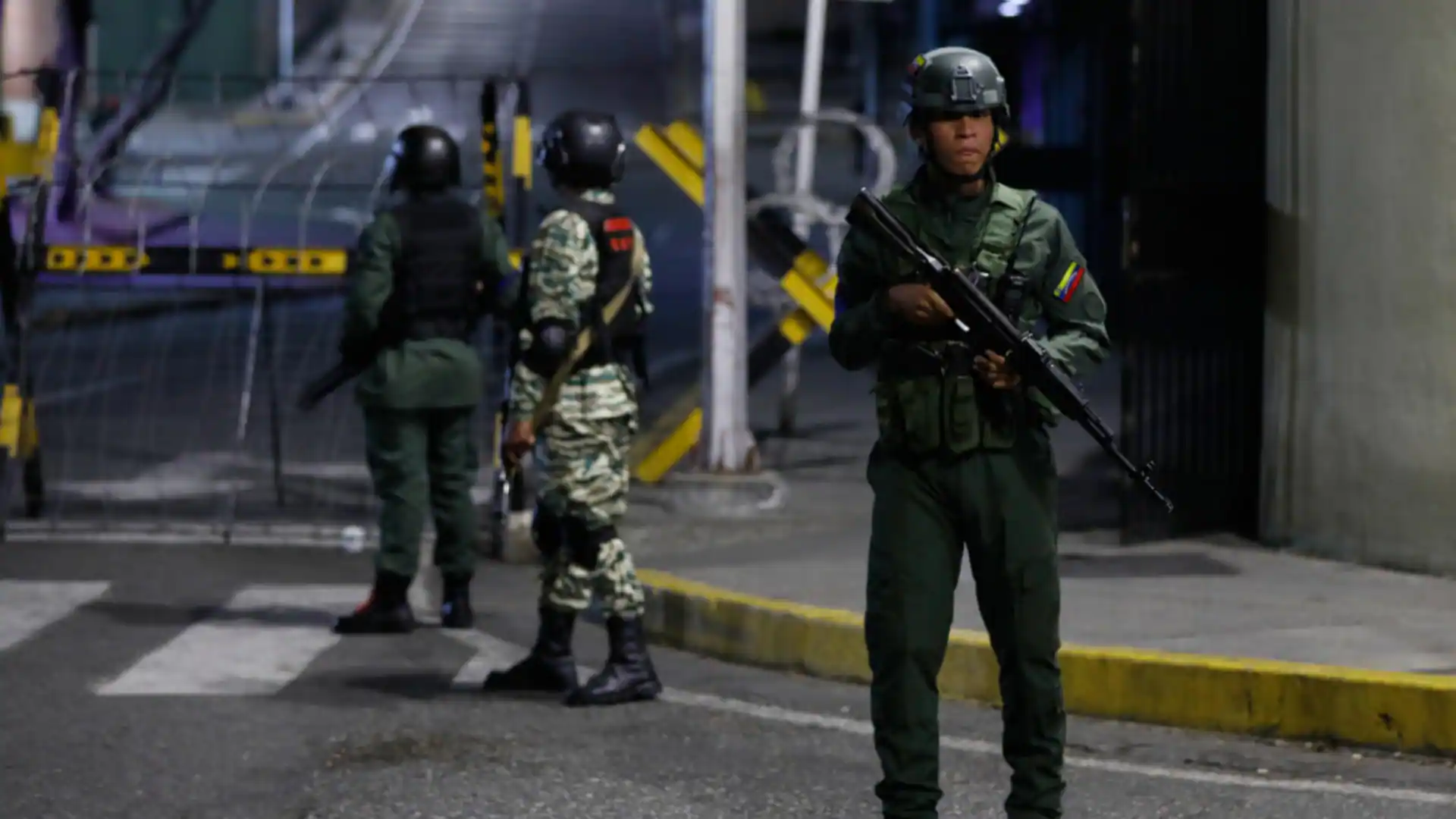
A Historic Turning Point in U.S.–Venezuela Relations
On January 3, 2026, the United States launched a major military operation against Venezuela, including air strikes in Caracas and the capture of Venezuelan President Nicolás Maduro and his wife. This event marked one of the most serious confrontations between the two countries in decades, shocking governments around the world and raising urgent legal, political, and humanitarian questions.
But why did America take such dramatic action? This blog breaks down the core reasons, backed by multiple expert sources, in a way that’s easy to understand and share.
Why America Attacked Venezuela: A Complete Explanation
One of the official justifications given by U.S. leaders for the attack was Venezuela’s alleged role in international drug trafficking. The U.S. government has accused President Maduro and his political circle of supporting cartels and participating in narcotics operations—labeling some networks as “narco-terrorist” organizations.
However, independent analysts argue that Venezuela is not a major producer of cocaine, and that most illegal drugs trafficked to the U.S. originate from other countries in the region. Critics say this narrative may overstate Venezuela’s role in the drug trade and that military force is not an effective way to solve drug issues.
Strategic and Geopolitical Interests
A. Monroe Doctrine and Regional Influence
The U.S. has a long-standing foreign policy tradition (dating to the 19th-century Monroe Doctrine) of opposing external powers’ influence in the Western Hemisphere. Some modern officials and experts see Venezuela’s alignment with Russia, China, and Cuba as a challenge to U.S. influence in its own neighbourhood.
B. Countering Rival Powers
Venezuela maintains strong diplomatic and economic ties with countries like China and Russia. China purchases a large share of Venezuelan oil, and Russia has provided political and military support. The U.S. may see these ties as strategic threats, especially in a world where global power competition is intensifying.
Control Over Oil and Economic Interests
Venezuela has some of the largest proven oil reserves in the world, making energy a central factor in any foreign policy involving the country. Some analysts argue that control of oil resources and the global energy market played a significant role in Washington’s decision to escalate military pressure.
Even before the full military operation, the U.S. tightened economic sanctions against Venezuela and seized oil tankers linked to Venezuelan exports. These moves were framed as enforcement of sanctions but also had the effect of squeezing Venezuela’s economy and oil industry.
Political Legitimacy and Regime Change
For years, the United States refused to recognise Nicolás Maduro’s government as legitimate, citing accusations of authoritarian rule, corruption, and undemocratic elections. U.S. officials backed opposition leaders and pressured Caracas to allow democratic reforms. The January 2026 operation did not just target drug-related issues — it also had clear regime-change implications, with U.S. leaders promising to oversee Venezuela’s transition until a “safe, fair transfer of power” can occur.
Regional Security and Migration
Political instability in Venezuela has contributed to mass migration across Latin America and toward the U.S. border. Some U.S. policymakers linked this regional instability to broader security concerns, including border pressures and humanitarian issues. However, experts note that migration is a complex phenomenon involving many countries and cannot be resolved through military action alone.
Legal and International Debate
The U.S. operation in Venezuela has been widely criticised as a violation of international law, especially the United Nations Charter, which prohibits forceful intervention in another sovereign state without Security Council approval or a clear case of self-defense.
Legal scholars point out that:
The U.S. military action lacked formal approval from the U.S. Congress.
There was no clear and imminent threat that legally justified an armed invasion.
The operation set a contentious precedent for unilateral military action by powerful states.
Critics say these factors weaken the legitimacy of the attack and could have long-term consequences for global norms.
Global Reactions and Impact
The world reacted strongly:
Latin American countries expressed concern that the invasion could destabilise the entire region. Brazil warned that a U.S. attack might ignite broader political conflict in South America.
- Cuba held large protests condemning the U.S. assault and demanding Maduro’s release.
- European leaders called for calm and urged more diplomatic efforts to resolve tensions.
These reactions show how the crisis is not strictly bilateral but has wide international implications.
Conclusion: A Complex Set of Motivations
There is no single reason why the United States attacked Venezuela. Instead, a mix of political, economic, strategic, and security factors came together:
Official U.S. claims focused on drug trafficking and security threats.
Strategic concerns about foreign influence and regional dominance played a major role.
Oil resources and economic interests added another powerful dimension.
Questions of legitimacy and legal justification continue to fuel global debate.
Most importantly, the event has reshaped how the world views U.S. foreign policy in Latin America and raised urgent questions about the future of international law, sovereignty, and regional stability.
Want to create A.I videos in 2026? Here is the complete guide blog
America cited security threats, political instability, and drug trafficking allegations, but experts also point to oil interests and geopolitical strategy.
Yes. Venezuela holds some of the world’s largest oil reserves, making energy security a major strategic factor.
Many legal experts argue the attack violated international law due to lack of UN approval.
Several countries criticized the attack, while others urged diplomacy to prevent regional instability.