Why RAM Prices Are Increasing in 2026
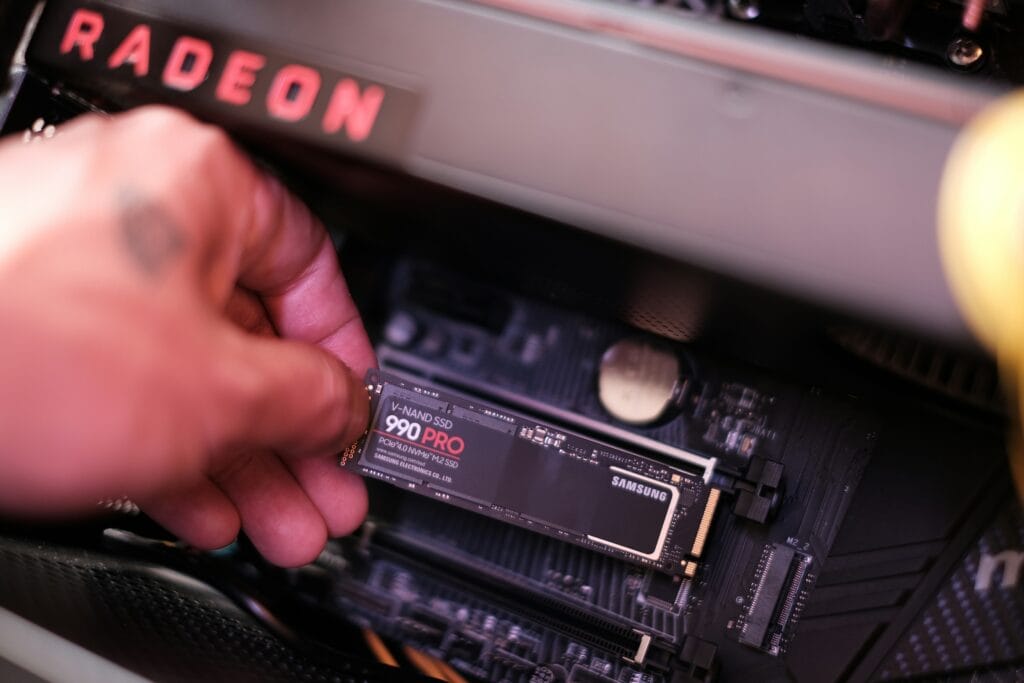
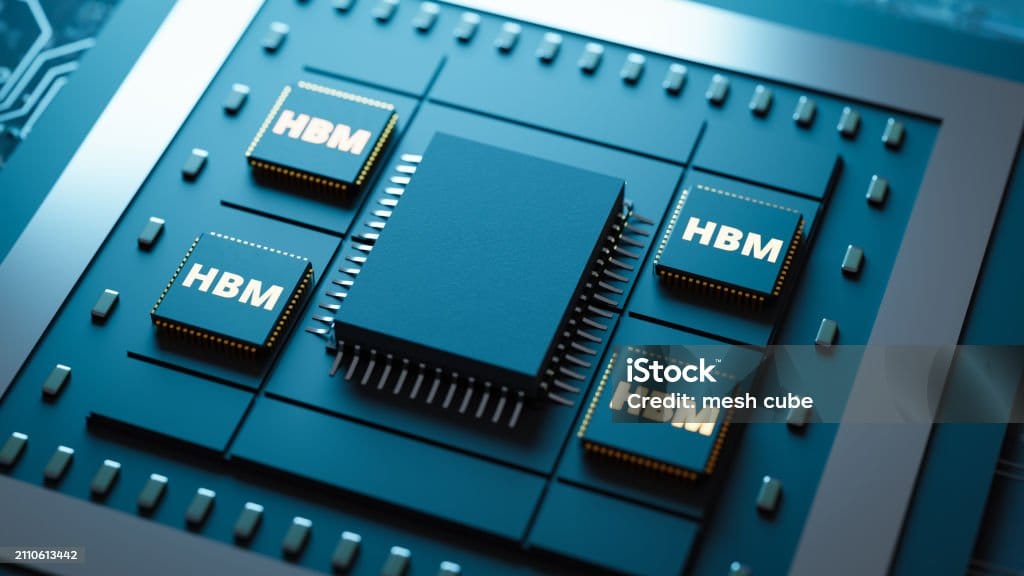
Rising RAM prices in 2026 are mostly attributable to the huge change of industrial capacity toward AI-specific High Bandwidth Memory (HBM).
Should you be considering constructing a PC or upgrading your laptop early 2026, you probably have come face-to-face with a stark reality: Ram costs are at all-time highs. With some high-capacity kits now costing more than a mid-range GPU, what was once a fairly inexpensive component has become a major financial obstacle.
We investigate in this deep dive why we are now experiencing a “memory pandemic,” the technical causes underlying the rising expenses of DDR5, and a realistic 2026 RAM price projection so you may choose whether to buy now or postpone.
The AI "Cannibalization" of Consumer DRAM
The main cause of the 2026 memory crisis is not a lack of factories but a change in the kind of goods those factories are manufacturing. The exponential rise of generative artificial intelligence has generated a voracious need for high-capacity server-grade DDR5 and High Bandwidth Memory (HBM3E and HBM4).
The "Wafer Penalty"
You need to examine the application of silicon wafers to grasp the scarcity. Leading manufacturers like Samsung, SK Hynix, and Micron have sent their most sophisticated production lines toward AI-specific memory since the profit margins are much greater.
Making one HBM chip essentially uses the same wafer capacity as three consumer DRAM chips.
Giving Big Tech first attention: Suppliers are giving Hyperscalers (Amazon, Google, Microsoft) first importance over customer products. Micron also made the startling decision late in 2025 to stop consumer-facing Crucial brand entirely and concentrate on the enterprise artificial intelligence sector.
The Great "Price Inversion" of DDR4
Conventional wisdom suggests that older technology should get cheaper over time. However, in 2026, we are witnessing a DDR4 price explosion.
Supply Collapse: As factories transition to DDR5 and HBM, the production of legacy DDR4 has plummeted to barely 20% of its 2023 levels.
The Scarcity Trap: Millions of users still own AM4 (AMD) or LGA 1200 (Intel) motherboards that only support DDR4. This massive “installed base” is now fighting over a rapidly shrinking pool of stock.
Record Highs: By January 2026, 256GB DDR4 workstation kits have been spotted retailing for over $3,000, making “legacy” upgrades prohibitively expensive.
According to traditional knowledge, older technology will become less costly over time. We are seeing a DDR4 price explosion in 2026, though.
Supply Collapse: As manufacturers switch to DDR5 and HBM, legacy DDR4 output has dropped to just roughly 20% of its 2023 levels.
The Scarcity Trap: Millions of people still have AM4 (AMD) or LGA 1200 (Intel) motherboards only compatible with DDR4. This huge installed base is now fighting over a rapidly shrinking pool of stock.
256GB DDR4 workstation kits observed selling for more than $3,000 by January 2026, making legacy improvements utterly pricey.
The "AI PC" Standard: Raising the Baseline
The change in fundamental system needs is another element driving prices. Officially gone in 2026 is the 8GB budget laptop epoch.
- Microsoft’s Push: Integration of local AI models into Windows means that 16GB is now the very least for a working AI PC; 32GB is the recommended benchmark for flawless performance.
- Increased demand per device: Because every new laptop sold now requires double the RAM it did two years ago, the overall amount of memory being absorbed by the laptop market has essentially doubled, leaving even less supply for individual PC builders.
RAM Prices 2026 Market Data & Comparison
To put the current crisis into perspective, let’s look at the price shifts from the “stable” era of 2024 to the “crisis” era of early 2026.
| Component Type | 2024 Average Price | Jan 2026 Market Price | Percentage Increase |
| 16GB DDR4 (3200MHz) | $45 | $120+ | ~166% |
| 32GB DDR5 (6000MHz) | $95 | $380 - $500 | ~300%+ |
| 64GB DDR5 (Professional) | $190 | $750+ | ~294% |
| Laptop LPDDR5X (Per 16GB) | $35 (BOM cost) | $90+ | ~157% |
Geopolitics and the "Fab" Bottleneck
Although new production plants (fabs) are under development in Texas, Arizona, and South Korea, they provide no quick relief.
- Lead times: A semiconductor fab requires three to five years to be completely functional. The Mega-Fabs unveiled during the 2024 AI gold rush are not anticipated to attain great volume until late 2027 or 2028.
- Inventory Depletion: Manufacturers purposefully kept inventory low to steady prices during the 2024 slump. When the artificial intelligence boom struck, this backfired as the worldwide supply chain lacked any cushion to absorb the 2026 demand spike.
How to Survive "RAMageddon": Buying Strategies
Since experts predict that prices will continue to climb by 30% to 50% per quarter through the first half of 2026, waiting is a risky strategy. Here is how to navigate the market:
Target Bundles: Large OEMs (Dell, HP, Lenovo) often have long-term supply contracts. Buying a pre-built system or a “CPU + Motherboard + RAM” bundle from retailers like Newegg can sometimes save you hundreds of dollars compared to buying parts individually.
The 32GB “Sweet Spot”: For gaming and productivity, do not overspend on 64GB unless you are a professional video editor. 32GB remains the most cost-effective tier for the current market.
Avoid Counterfeits: With prices this high, the market is flooded with fake high-speed RAM. Always buy from authorized distributors and verify the serial numbers.
Waiting is a dangerous strategy because experts forecast pricing to keep rising 30% to 50% per quarter over the first half of 2026. The following is how to maneuver the market:
Large original equipment manufacturers (Dell, HP, Lenovo) frequently have supply agreements lasting years. Purchasing a pre-built computer or a CPU + Motherboard + RAM package from stores such Newegg can occasionally save you hundreds of dollars over buying components separately.
- The Sweet Spot: 32 GB Unless you are a professional video editor, don’t overspend on 64GB for both productivity and gaming. For the present market, 32GB is still the most affordable level.
At these prices, the market is rife with phony high-speed RAM; therefore stay clear from counter-fittings. Check the serial numbers and always get your purchases from approved retailers.
Conclusion: A New Era of High-Cost Computing
The 2026 RAM shortage is not a temporary glitch; it is a fundamental restructuring of the semiconductor industry. As long as the AI boom continues to offer manufacturers higher profits than consumer electronics, DDR5 prices will remain elevated.
If you need a system for work or school, the best time to buy was yesterday. The second best time is today, before the next quarterly price hike takes effect in April 2026.
What do you think? Should manufacturers be forced to reserve a percentage of production for consumers, or is the “AI First” approach fair? Let us know in the comments!
Why America attacked on Venezuela?click here
The primary reason is the AI boom. Major manufacturers like Samsung and Micron have shifted their production to High Bandwidth Memory (HBM) for AI data centers, which reduces the supply of standard DDR5 RAM for consumers.
Analysts predict that prices will remain high through most of 2026. Relief is expected in late 2027 or 2028, once new semiconductor manufacturing plants (Fabs) in the US and South Korea become fully operational.
Yes, especially if you are building an AI-ready PC. Newer processors and software are optimized for DDR5’s higher bandwidth. However, if you are on a tight budget, look for “CPU + Motherboard + RAM” bundles to save costs.
In 2026, 16GB is the absolute minimum, but 32GB is highly recommended. Local AI features in Windows and creative apps now use significant system memory to run efficiently.
Production of DDR4 has been drastically cut to make room for DDR5 and HBM. Because many older systems still rely on DDR4, the shrinking supply has caused prices to spike for those looking to upgrade older machines